
You have a rental apartment, and you’ve probably wondered whether to furnish it or just leave it empty. It’s one of those questions every landlord bumps into at some point. And truth be told, there isn’t one clear answer. It really depends on the kind of place you’ve got, who you’re trying to rent to, and what you’re hoping to get out of it.
Some landlords swear by furnished rental properties; they say it brings in better rent and attracts more tenants. Others prefer keeping things simple with an empty place that tenants can make their own.
What’s the Real Difference Anyway?
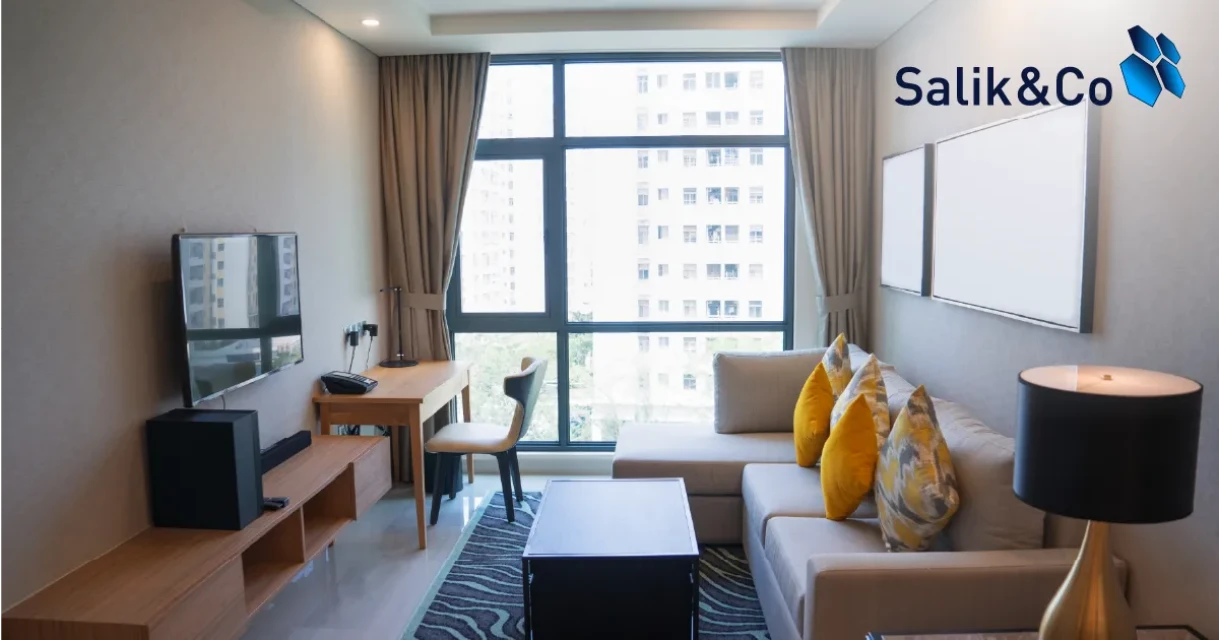
When you list a furnished rental property, you’re basically saying the tenant can move in with just a suitcase. You’re providing the basics: beds, a sofa, a fridge, a washing machine, maybe a dining table and a few chairs.
Unfurnished properties on the other hand? They’re a blank canvas. The tenant brings everything. Some landlords still include white goods like a fridge or oven, but that’s about it.
And the choice often depends on where your property is. A one-bed flat in East London or Manchester city centre? Probably better furnished. A family home in the suburbs? Most likely unfurnished. It’s really about the kind of tenant you want.
The Upsides of a Fully Furnished Property
One big benefit of a fully furnished property is convenience. You make it easy for tenants to just move in and get going. This can be a huge draw for professionals, students, or anyone relocating from another city or even abroad.
You might also be able to charge a bit more rent. People pay extra for convenience, especially if the furniture looks decent and not like something dragged out of storage.
There’s also the appeal factor. A nicely done-up flat can appeal to specific tenants who don’t want the hassle of shopping for furniture. Think corporate tenants or young renters who aren’t looking to settle long-term but want something stylish and ready.
And there’s a tax side too, you can claim replacement costs for furniture, which helps balance out some of the spend.
But It’s Not All Smooth Sailing
Furnishing isn’t cheap. You’ll need to spend money up front to make the place look good, and you’ll end up replacing things as they wear out. Sofas stain, beds squeak, and appliances break down. It’s just part of the game.
Then there’s damage, even with good tenants; things happen. You’ll need to keep track of inventory, take pictures, and handle the occasional dispute over who broke what.
And if your tenants are short-term types, you’ll probably deal with more frequent turnover. That means more cleaning, more re-advertising, and possibly a few empty weeks here and there.
Sometimes, tenants looking for long-term homes actually prefer unfurnished properties. They want to make it theirs, bring their furniture, and feel settled. If that’s the kind of crowd you want, keeping the place unfurnished might save you a lot of hassle.
Why Unfurnished Might Work Better
There are solid benefits of unfurnished properties, especially if you’re after long-term stability.
Tenants who move their own furniture in tend to stay longer. They’ve invested time and effort, so they’re less likely to leave on a whim. You also skip the drama of repairing or replacing furniture every year.
You save money upfront, too, no sofas to buy, no beds to replace, no insurance worries over tenant damage. It’s a simpler way to rent, and for a lot of landlords, that’s worth more than the few extra pounds in rent you might make from a furnished place.
If you’re managing a few properties, this simplicity really adds up. Less maintenance, fewer calls, fewer headaches.
So, Which Way Should You Go?
It comes down to your property and your tenants.
If your place is in a busy city, near a train station or university, a furnished rental property might make it more attractive. Tenants there usually look for short-term or flexible living.
But if you’re renting a family home or a bigger flat in a quieter area, go unfurnished. Families and long-term renters like to bring their own stuff and make it feel like home.
There’s also a middle ground: part-furnished. You keep the basics, like white goods, wardrobes, and curtains, and let tenants handle the rest. It keeps costs down and still gives you a bit of flexibility.
A Few Words Before You Decide
Don’t overthink it. Just match your property to the type of tenant you’re likely to get. If you’re unsure, test it. Try letting furnished for a year and see how it goes. You can always strip it back later.
What matters is that your setup makes sense for your area, your budget, and your ideal tenant. Whether you go furnished or not, make sure your rental apartment near me stands out for being clean, safe, and well-maintained, that’s what tenants notice most.
FAQs About Furnished vs Unfurnished Rentals
1. Do furnished homes rent faster?
In most city areas, yes. People moving for work or study want convenience, so they’ll pick furnished over unfurnished.
2. Can I charge more for a furnished property?
Usually, yes, but not by loads. You’ll also spend more on upkeep, so it balances out in the long run.
3. What should a furnished property include?
The basics: bed, sofa, dining set, fridge, cooker, and maybe a washing machine. Don’t overdo it with random extras.
4. Is it easier to manage an unfurnished property?
Definitely. Less stuff means fewer repairs and less to worry about when tenants move out.
5. Can I change my property from furnished to unfurnished later?
Of course. Just wait until the tenancy ends, take back your items, and relist it as unfurnished next time.